What Is BMI ?: Body Mass Index, commonly known as BMI, is one of the most widely used methods to understand weight in relation to height. It is often referenced in health discussions, fitness assessments, and wellness tools to provide a general overview of body composition. While BMI is not a medical diagnosis, it serves as a simple and standardized way to categorize weight ranges and understand general health patterns at a population level.
This article explains what BMI is, how it is calculated, why it is commonly used, and what its limitations are. The goal is to provide clear, educational information so readers can better understand how BMI works and how it fits into broader health awareness.
What Is BMI?

BMI stands for Body Mass Index. It is a numerical value calculated using a person’s height and weight. The concept was developed to create a consistent way to compare body weight across individuals of different heights.
BMI does not directly measure body fat. Instead, it offers an estimate that helps classify weight into standard categories such as underweight, normal weight, overweight, and obese. Because it is easy to calculate, BMI is widely used in research, public health studies, and general wellness tools.
How Is BMI Calculated?
BMI is calculated using a simple formula:
BMI = weight ÷ height²
In the United States, BMI is usually calculated using pounds and inches, while many other countries use kilograms and meters. Online BMI calculators automatically apply the correct formula, making the process quick and accessible.
This calculation allows individuals to estimate where they fall within commonly used BMI ranges without complex measurements or equipment.
BMI Categories Explained
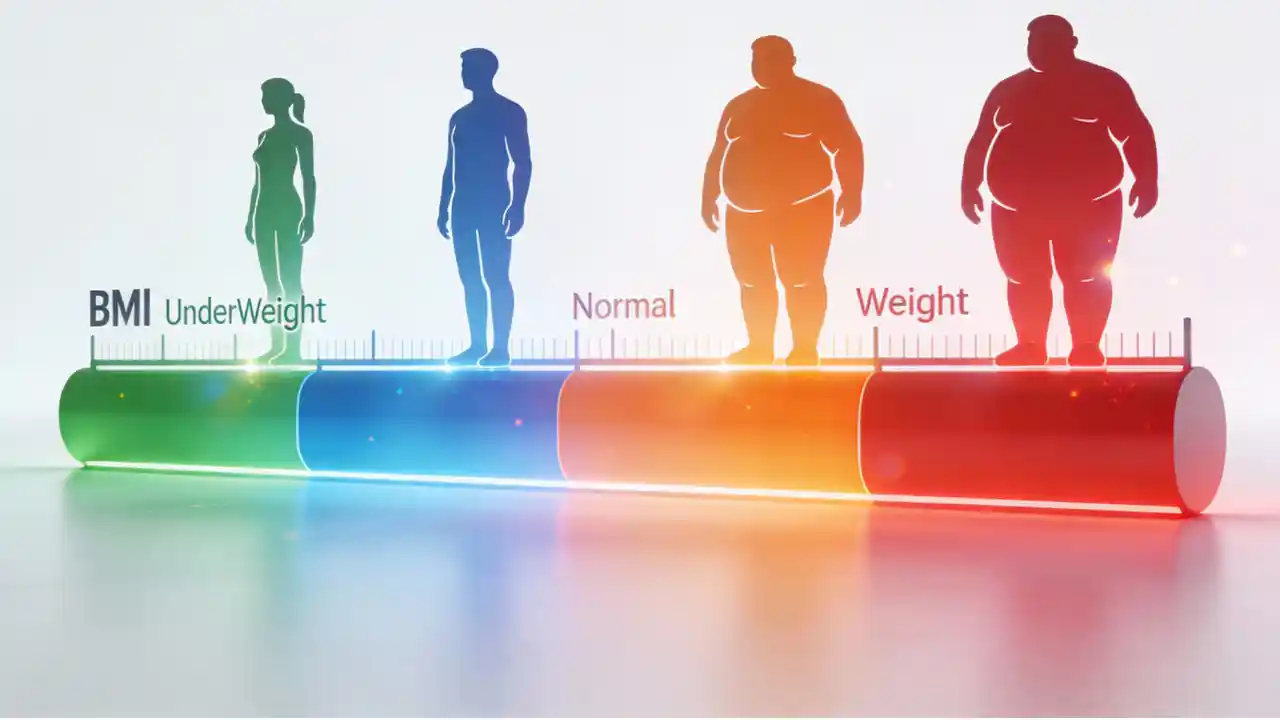
Once BMI is calculated, the result is grouped into commonly used categories:
- Underweight: Below the standard range
- Normal weight: Within the commonly accepted healthy range
- Overweight: Above the normal range
- Obese: Significantly above the standard range
These categories are used to understand general weight trends and potential health risks at a broad level. They are not intended to replace professional medical evaluation.
Why Is BMI Commonly Used?
BMI remains popular because it is:
- Easy to calculate
- Consistent across large populations
- Useful for tracking general trends in public health
- Helpful for educational and wellness awareness
Healthcare organizations and researchers often use BMI to analyze patterns related to weight, lifestyle, and long-term health outcomes across communities.
Limitations of BMI
Although BMI is widely used, it has important limitations:
- It does not measure body fat directly
- It does not account for muscle mass
- It may not reflect individual health accurately
- It does not consider age, gender, or body composition
For example, athletes with high muscle mass may have a higher BMI without having excess body fat. Because of this, BMI should be viewed as a general indicator rather than a definitive assessment.
BMI as an Educational Tool
BMI is best understood as an educational and awareness tool. It provides a starting point for understanding weight in relation to height, but it should always be interpreted alongside other factors such as lifestyle, activity level, and overall well-being.
Many online tools use BMI to help users learn about weight classifications in a simple and accessible way. These tools are designed for informational purposes and are not meant to provide medical advice.
Conclusion
Body Mass Index is a widely recognized method for understanding weight patterns in relation to height. While it does not provide a complete picture of individual health, it remains a useful educational tool for general awareness and population-level analysis.
By understanding how BMI works and recognizing its limitations, readers can use it responsibly as part of broader health knowledge. For personalized health guidance, professional medical advice is always recommended.
Click Here To Calculate Your BMI
Disclaimer: This content is for educational and informational purposes only and does not provide medical advice or diagnosis.